
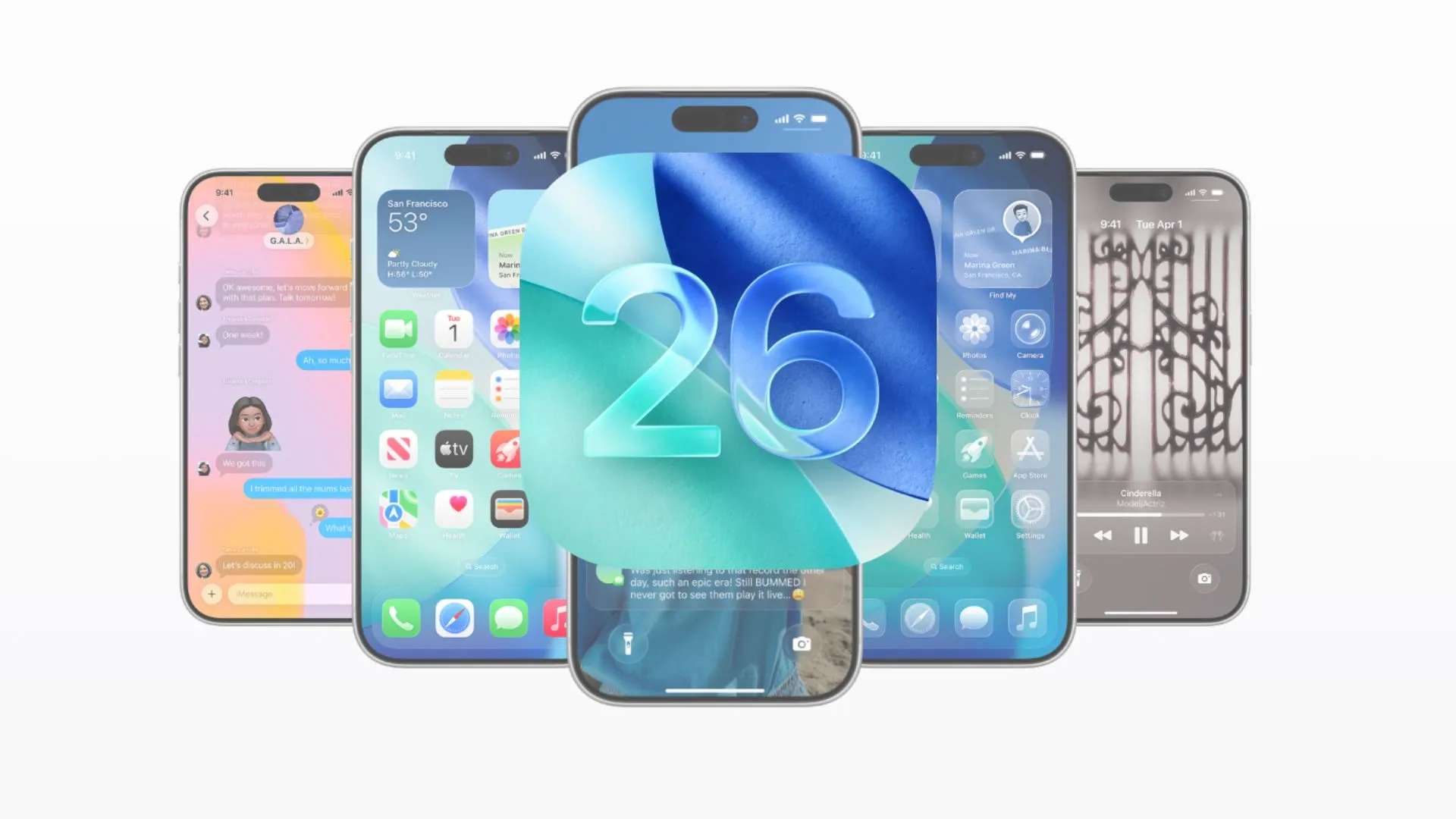
Stop scrolling through generic bug lists. The real risk of updating isn’t in a severity ranking—it’s in the collision between a software flaw and your one irreplaceable daily habit.
Headlines catalog “iOS 26 problems” with clinical detachment, rating “critical” battery bugs and “minor” Wi-Fi drops. This neutral, one-size-fits-all checklist is a trap. It makes you evaluate risk based on what’s loudest for tech reviewers, not what’s most disruptive to your life. The lens you need isn’t universal severity; it’s personal vulnerability.
Your Phone Is Not The Lab’s Phone
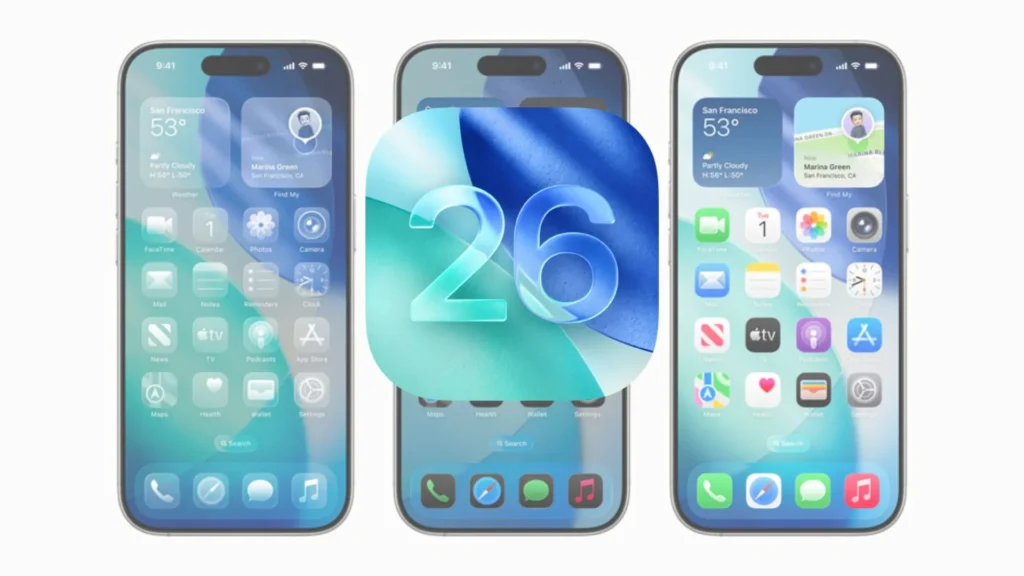
The “iOS 26 bug list” treats a $50,000 testing device and your three-year-old iPhone as equals. They are not. A memory management bug that causes slight app reload delays on a device with the latest chip is a nuisance. On an older phone with less RAM, that same “minor” bug can transform your device into a sluggish, unusable brick. The industry’s “adoption” metric becomes a danger when it pushes a uniform update onto a fractured hardware landscape. Your first question shouldn’t be “What’s broken?” but “On my device, what breaks first?”
READ MORE: Minecraft Realms Down: The Broken Promise of Convenience
The “Minor” Bug That Breaks Your Day
This is where risk asymmetry becomes personal. Consider the delivery driver. For them, a listed “moderate” GPS stutter isn’t a glitch; it’s a direct threat to their livelihood. This is the hidden architecture of iOS 26 problems: a flaw’s impact isn’t dictated by its rating, but by its collision with your daily life. Meanwhile, a “critical” security flaw in a niche enterprise feature they never use carries zero personal weight. The generic bug list is useless here. You must audit your own dependencies: Is your work, your connection, or your navigation held together by an app or function this update quietly undermines?
From Passive Consumer to Active Defender
This changes the decision from “Should I update?” to “How do I safely validate?” The answer is to stop waiting for someone else’s all-clear. If your daily life hinges on one app—be it for banking, communication, or control—check its developer forums for mentions of your specific iOS 26 problems now, not the general tech news. Bug fixes are prioritized by noise and scale, not by your personal crisis. Your defense is specificity.
READ MORE: Steam Machine Price Sticker Shock Misses the Real Cost in 2026

This trend reveals a failing in how technology is delivered and discussed. It is not a call to fear updates, but to reject the passive consumer role that navigating iOS 26 problems forces you into. The cost of convenience is now a personal risk audit you’re expected to perform alone. The insight isn’t that software has bugs—it’s that you are the only one who can truly diagnose your own crisis.


I do not even know how I ended up here, but I thought this post was good. I do not know who you are but certainly you’re going to a famous blogger if you aren’t already 😉 Cheers!
This is a solid choice for anyone looking for a stable gaming site. No lags and the withdrawals are processed surprisingly fast. ph89jili
Finally found a reliable source to get the APK. Installation was quick and it works without any glitches. Download via win222downloadapk!