

The announcement of LEGO Pokemon Sets arriving in 2026 has been framed as the ultimate fan fantasy: a perfect fusion of two interactive worlds. Headlines buzz about pre-order dates and diorama prices, treating it as a simple collector’s equation. This framing is superficial. It misses the profound cognitive shift at play. This collaboration isn’t merging two systems of play; it’s translating one into the artifact of the other, asking your brain to accept a statue where a strategy once lived.
Your Brain Has a Pokemon Region
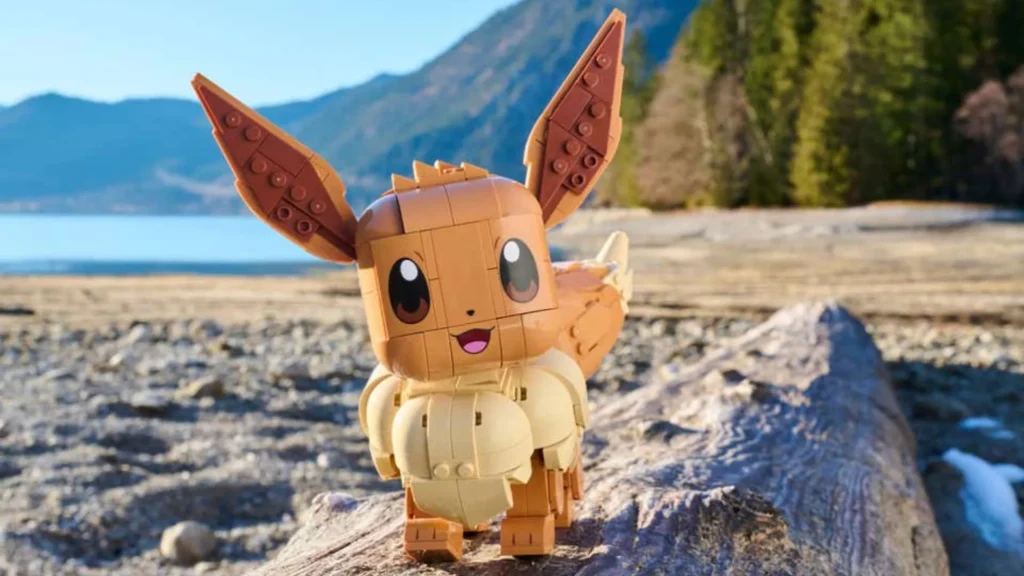
To understand what’s being lost, you must first understand what was built. Landmark neuroscience research reveals that extensive childhood LEGO Pokemon Sets gameplay doesn’t just create memories—it physically configures your visual cortex. The brain dedicates a specific region to processing these characters, a development fueled by the “eccentricity bias” of staring at a Game Boy screen. This neural circuitry isn’t for passive viewing; it was forged through the interactive loops of hunting, catching, and battling. Your brain doesn’t just recognize Pikachu; it recalls the system Pikachu operates within. This is the true legacy of the franchise: an embedded cognitive framework for interaction.
READ MORE: iOS 26 Problems Aren’t What You Think
From Game Loop to Display Shelf
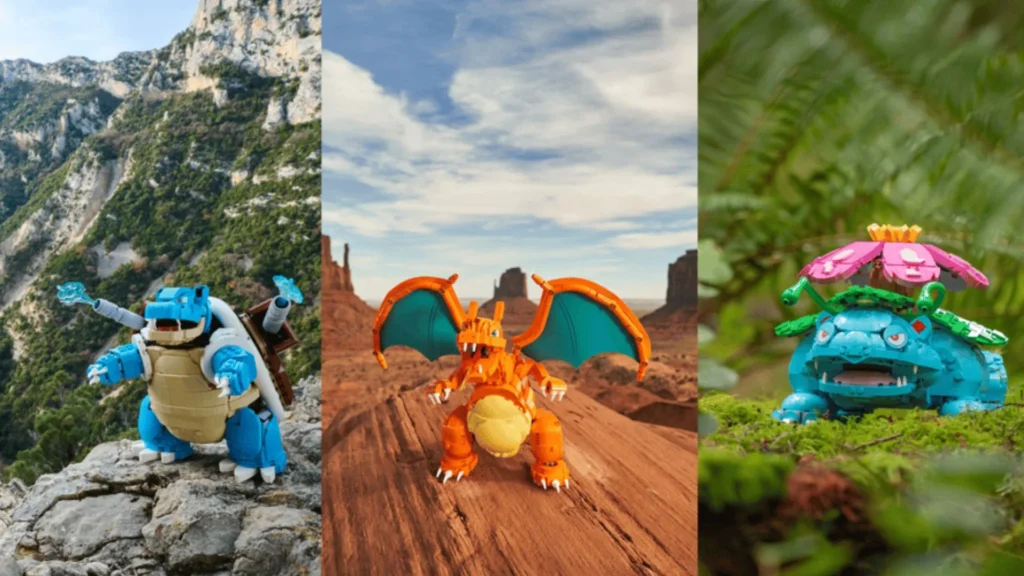
The new LEGO Pokemon Sets, by their very nature, terminate that framework. Consider the rumored LEGO Pokemon Sets 2026 shaped like Pikachu’s House. In a game, a house is a place you enter, a hub for quests and storage. As a $69.99 LEGO Pokemon sets, it is a closed, decorative shape. The build process is a linear, one-time execution of instructions. The result is a static display piece. This is the core cognitive load shift: the mental energy once spent on type-matchup strategy or team-building is now channeled solely into assembly precision, followed by the passive hobby of curation. The set monetizes the iconography while retiring the interactivity that made your brain care in the first place.
The Nostalgia Tax
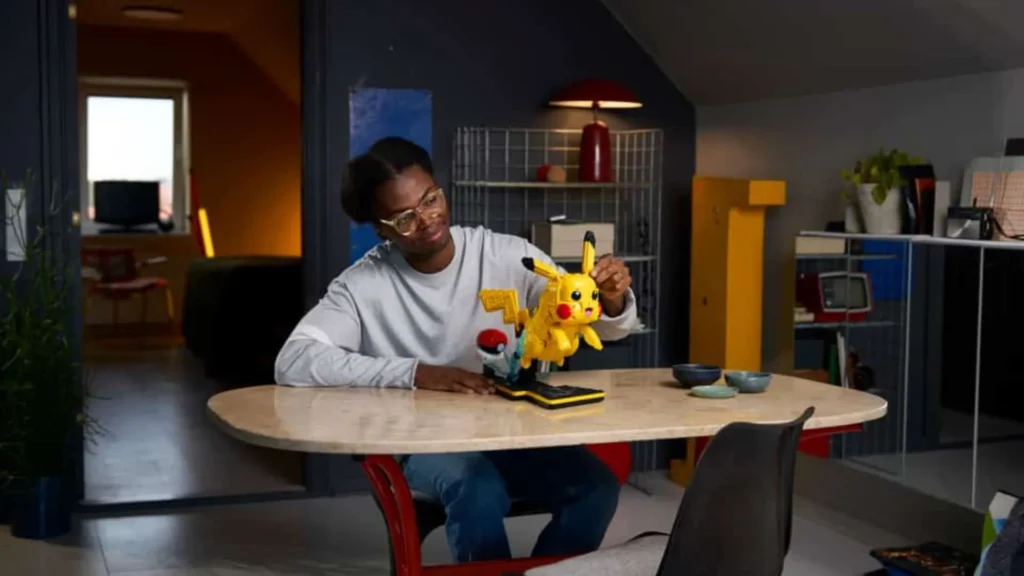
This isn’t an argument against the LEGO Pokemon Sets quality. It’s a clarification of their value proposition. Brands are adept at selling back our own memories, but here, they are selling a downgraded version of the cognitive experience that formed them. The high price of a LEGO Pokemon Sets diorama isn’t just for plastic; it’s for the permission to physically hold a relic of a dynamic system you can no longer engage with in its native form. It satisfies the collector’s itch perfectly but leaves the player’s brain subtly sidelined, celebrating the trophy while retiring the game.
READ MORE: Minecraft Realms Down: The Broken Promise of Convenience
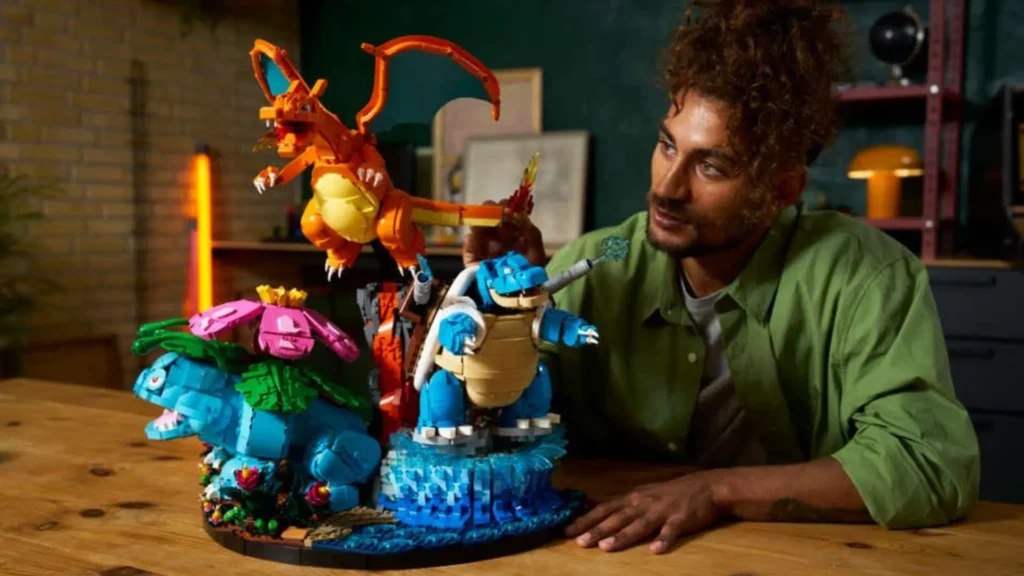
The trend signals a maturation where interactive fandoms are quietly converted into luxury display genres. It changes how our cultural touchstones are preserved—not as living systems to revisit, but as frozen monuments to admire. It does not change the human desire for the play LEGO Pokemon Sets that created them, a desire these beautiful models can acknowledge but never fulfill.


Thank you for the good writeup. It if truth be told was once a enjoyment account it. Glance advanced to far brought agreeable from you! However, how could we keep up a correspondence?