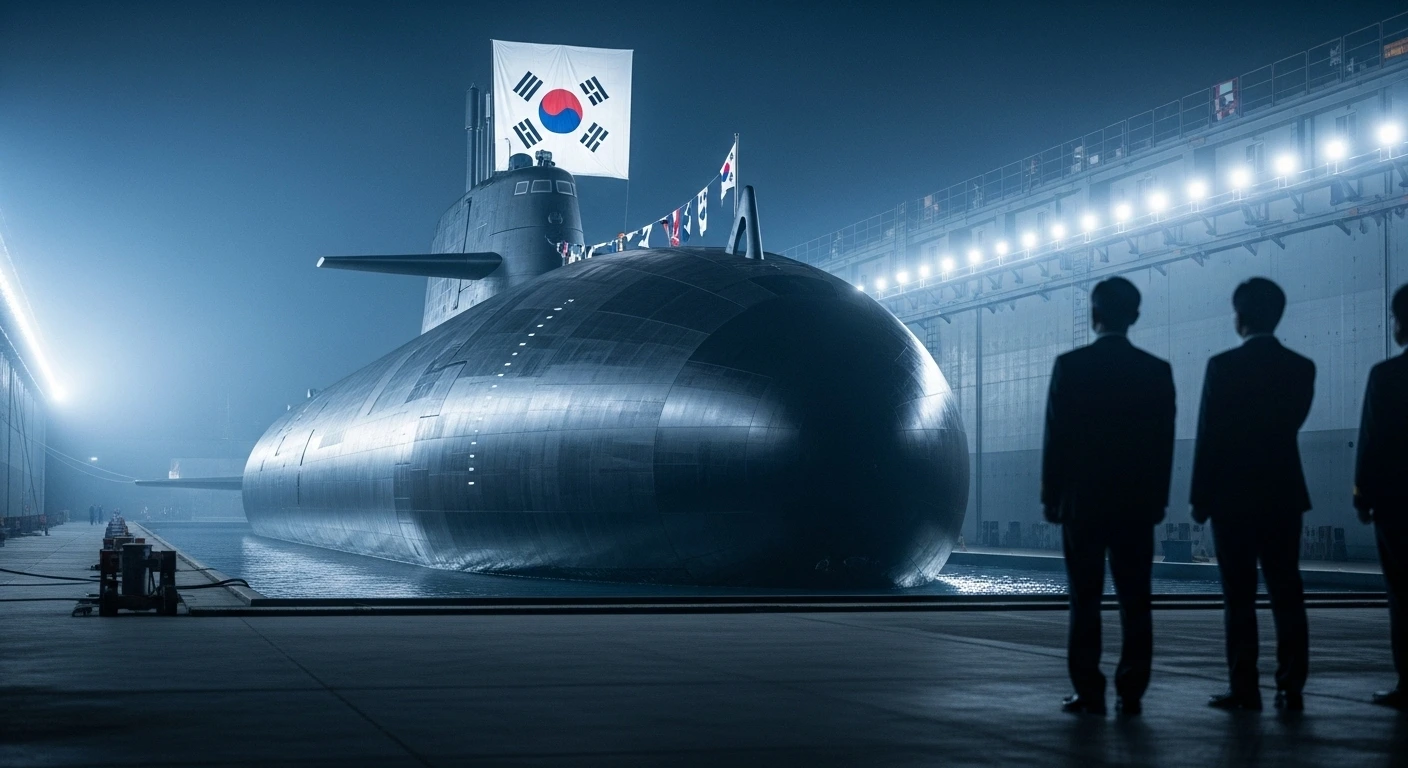
Trump says, US approved Nuclear-Powered Submarines for south korea, In an unexpected shift in strategy, US President Donald Trump has stated that his country will share nuclear-powered submarines with South Korea, letting the military to build possibly one nuclear-powered submarine. This is a significant step forward for US-South Korean collaboration as security concerns in the Asia-Pacific area escalate.
This is an in-depth analysis of the news, including its importance, how it fits within the restrictions of existing naval technology, the difficulties that lie ahead, and the larger ramifications for regional security.
What did the United States announce?
According to the announcement.
- President Trump said that the United States will share nuclear energy technologies with South Korea so that the latter’s navy may build just one nuclear-powered submarine.
- The decision comes only one day after South Korea inked a trade pact vowing to invest a total of $350 billion in the country’s economy as part of a bigger cooperation with Seoul.
- The United States formerly shared nuclear-propulsion technology solely with the EU and, subsequently, with Australia via the AUKUS pact. Arms Control Organization +2 Breaking Defense: +2
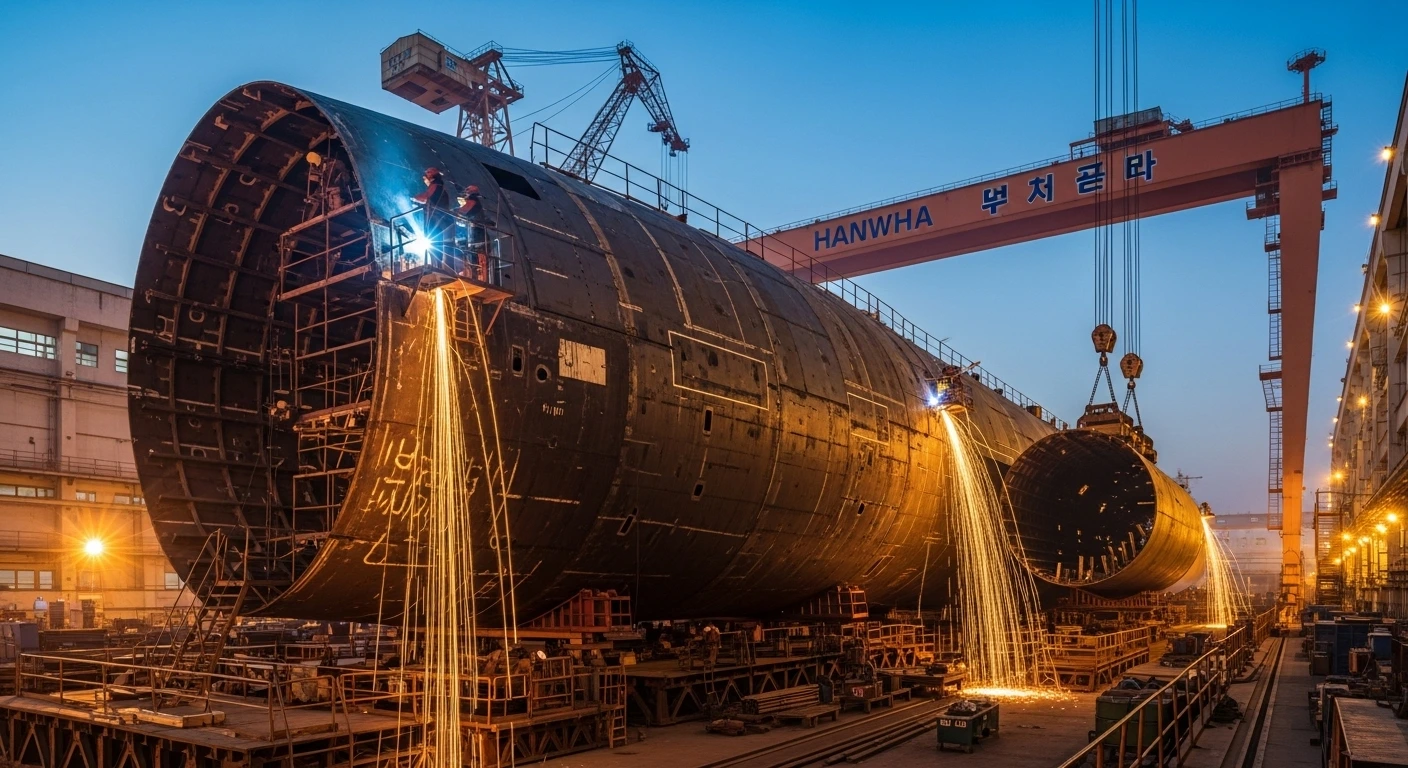
- In an online tweet, Trump revealed that the submarine would be built at Hanwha Philadelphia Yard, a significant commercial port in the United States that was bought by a South Korean company in the year 2024.
- The city’s senior growth officer claimed that the port is ready to participate in modern shipbuilding, which will contribute to US jobs, growth in the economy, and a secure relationship between the US and Korea.
Why this is significant: strategic and technical considerations.
Technology and Alliances
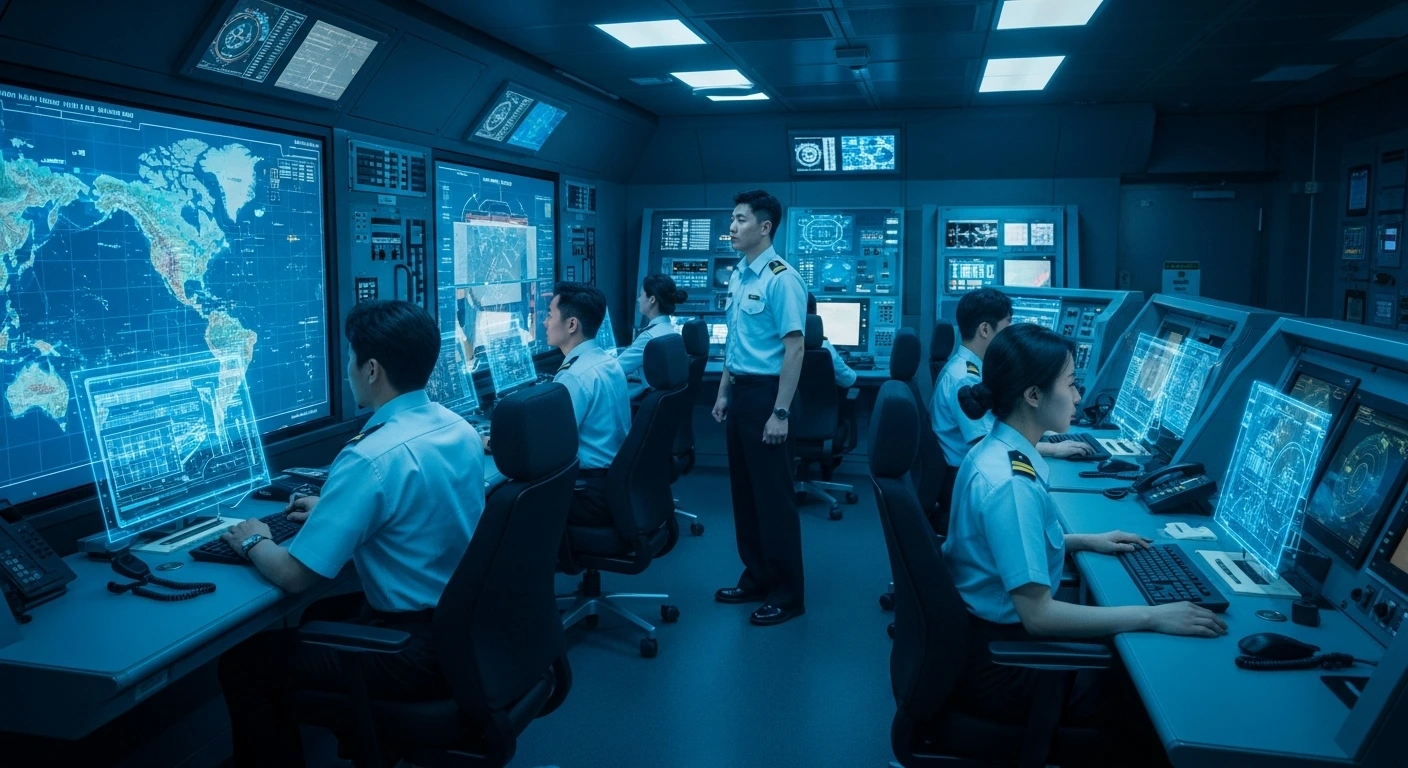
Nuclear energy in subs is a highly sensitive technology. The United States has generally been careful about who it discloses this information with. Under the AUKUS partnership, the USA and UK agreed to trade such technology with Australia for the first time. Arms Control Agency +1 By granting this capability to South Korea, the USA improves its strategic partnership and acknowledges South Korea’s military importance in the region.
Regional Security Context
- South Korean interest in submarines powered by nuclear energy is motivated by a variety of regional security concerns:
- North Korea presents a threat, notably in its sub and missile development.
- China is expanding its naval force and influence in the Indo-Pacific region, especially in waters where Korea has interest.
- Traditional (diesel-electric) submarines have limits as compared to nuclear-powered submarines, which can stay submerged for far longer, have more durability, and require less refuelings or surface operations, making them stealthier and more versatile.
United States-South Korea Alliance Improves Refuelings
President Trump said, “Our military relationship is broader than ever…” I’ve given them permission to build a nuclear-capable submarine rather than the obsolete and significantly less agile diesel-driven fueling facilities that are now in use, which represents the intention. The action would improve Seoul’s military capabilities and show that the US sees South Korea as both an ally and a partner in sophisticated maritime defense.
Key Technical and Industrial Challenges
The declaration is bold, but implementing it into effect will be tough. Some of the major challenges:
Shipyard Abilities and Architecture
- Hanwha The Philadelphia Shipyard is now a commercial shipyard and is not able to handle nuclear materials or build military-grade nuclear-powered submarines.
- When converting or altering a facility for nuclear propulsion operations, nuclear-certified architecture must be constructed.
- Historically, US industries like Huntington Industry have experienced interruptions of two to three years for the Virginia-class subs and between 18 and 24 months for the first Columbia-type vessel. Supply chain difficulties and skilled labor limitations are mentioned.
- These issues raise questions about the time it will take to finally get the Korean building program up to efficiency, as well as the possibility for cost increases.
Proliferation, Nuclear Fuel, and Regulation
- Sharing nuclear propulsion technology demands rigorous control of radioactive substance handling, production, enrichment, and recycling in the USA.
- In the past (for example, AUKUS), several reactors employed high-enriched uranium (also known as HEU) for subs power generation, raising proliferation concerns. Daniel Lewis+1
- The nuclear-energy connection between the USA and South Korea is already extremely enriched, with U.S. authorization necessary for fuel refinement or reprocessing if it is produced from US-supplied technology or components.
- South Korea’s transition to nuclear submarine propulsion may need complicated legal, regulatory, and safety mechanisms.
Manpower and Schedule
- Building nuclear-powered vessels is a technological challenge that requires pressure hull joining, nuclear-certified equipment, complicated logistics, and highly trained crews.
- With US shipyards already overwhelmed, adding an additional build schedule (for a Korean-made submarine), raises concerns about supply chain competition, skilled worker accessibility and the risk of delays.
Why Does South Korea Really Want Nuclear- Energy Submarines?
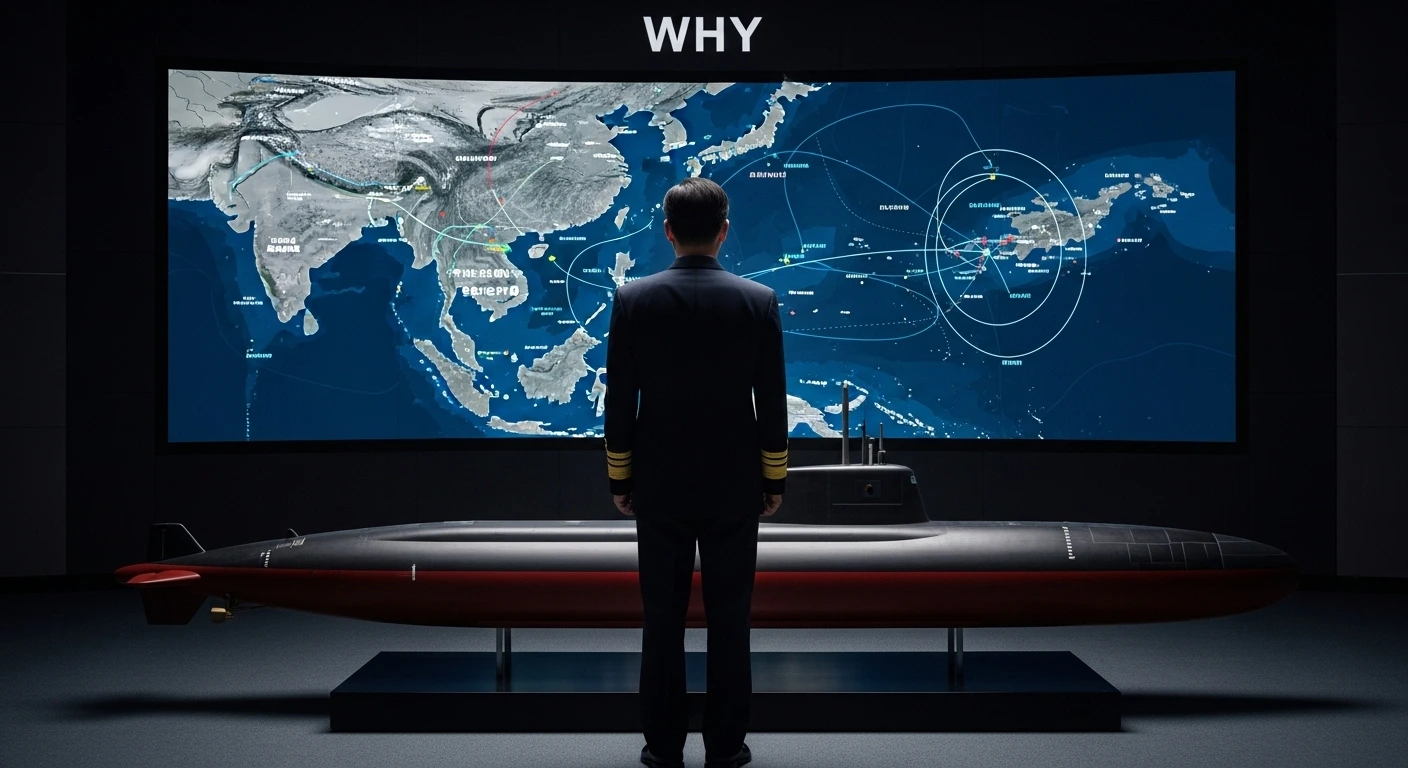
Understanding the motivation allows you to appreciate its relevance.
Limitations of conventional submarines
- South Korean’s present submarine fleet consists of conventional diesel-electric variants. While competent, they have several natural limitations:
- They must surface or dive frequently to recharge their power sources and breathe clean air, which improves their vision.
- In compared to nuclear-powered submarines, their range and endurance are restricted.
- More advanced and stealthier vessels become increasingly critical in locations near the Korean Peninsula, where the risk of detection is considerable and unfriendly submarine activity is rising.
Strategic threats and burden sharing
South Korea thinks that acquiring nuclear-powered submarines will enable it to effectively defend its waters, reducing dependence on the United States and sharing the burden of deterrence. Lee Jae-myung, the president of South Korea, commented: “If supply of fuel is permitted, we can build numerous submarines that carry traditional weapons using our own technology in order to defend the oceans around the Korean Peninsula, ultimately decreasing the burden on American forces.”
Reaction to China and North Korea
- China currently possesses the world’s largest fleet, and it is increasing its presence in the waters bordering the Korean Peninsula. South Korea is afraid that China would develop military-capable facilities in the Yellow Sea area, jeopardizing its maritime interests.
- North Korea intends to develop ballistic missiles that are launched from submarines (also called SLBMs), as well as sophisticated submarine platforms. The necessity to identify and repel these threats motivates Seoul to boost its submarine deterrent.
How It Fits Into the Broader US Nuclear-Powered Submarine Technology Sharing
To estimate the influence, one must first grasp the historical backdrop.
US Tech Sharing to Date
- The United States has always viewed nuclear submarine power technology as highly confidential. Until lately, the U.K. was the only country to receive this kind of transfer via the 1958 US-UK Strategic Defense Protocol, which included the exchange of nuclear technology and materials. Wikipedia
- In the month of September 2021, the US, the UK, and Australia launched the AUKUS collaboration, which marked the first time the US consented to transfer nuclear-powered submarines outside of the United Kingdom’s Arms Control Association.
Importance in South Korea
By offering such access to South Korea, the US demonstrates that it regards its partnership with Korea as part of its advanced capabilities network, particularly in light of increased military rivalry in the Indo-Pacific region. It also confirms a change in Usa defense policy: a readiness to share sophisticated underwater power capabilities with reliable partners.
What is going to occur next? Key Milestones and Questions
Here’s what to expect as this approach unfolds:
- Building infrastructure and upgrading.
The yard (Hanwha Philadelphia) will require major improvements for nuclear power activities including as fuel handling, reactor construction, shielding, and specific crew training.
Timetables are unclear, and the facility is now commercial rather than army ready.
The cost of renovating might be tremendous, with the US offering aid, South Korea donating, or a combination of the two.
- Workforce Training and Supply Chain
- South Korea will need professionals skilled in nuclear submarine design, nuclear submarine training, nuclear safety, reactor maintenance, and so on.
- Unless a pipeline is constructed, Seoul may rely on training programs provided by the United States or other allies.
- The worldwide supply chain for submarine modules, particularly nuclear-specific modules, is already stressed.
- Regulatory & Fuel-Supply Arrangements
- The United States will have to approve the transfer of nuclear propulsion information, nuclear material handling, and possibly nuclear fuel supply or arrangements.
- South Korea is likely to enter into detailed safeguards and licensing agreements.
- The issue of how the reactor’s fuel will be obtained, especially if HEU is required, remains critical.
- Timeline and Delivery
- While the statement mentions “at least one” submarine, no formal timeframe has been provided.
- Given the intricacy, the build-and-deliver plan might take several years, especially with the present delays in US yards.
- Interim possibilities might include acquiring US-built vessels or entering into lease agreements (similar to what Australia contemplated under AUKUS).
- Strategic and Diplomatic Implications
- China, which has previously raised worries over technology sharing agreements, might retaliate to the move.
- Seoul’s neighbors and regional actors will be monitoring to see how this changes the maritime balance between the Korean Peninsula and the Indo-Pacific.
- It may also raise concerns about nonproliferation, although nuclear-powered submarines does not imply nuclear armament; the technology remains intimately tied to sensitive nuclear fuel and reactor equipment.
Potential Benefits and Risks
Let’s consider what South Korea and the United States stand to gain—and the risks that lie ahead.
Benefits
- Enhanced deterrence: A nuclear-powered submarines fleet strengthens South Korea’s undersea capability, allowing for longer endurance, a deeper operating range, and improved stealth.
- Alliance cohesion: The United States and South Korea strengthen their strategic partnership by sharing advanced capabilities and industrial base integration.
- Industrial and economic benefits: For the United States, the presence of an American shipyard (and supply chain) means job creation and investment. Building such a submarine program benefits South Korea’s defense industry as well as its overall maritime ambitions.
- Regional signal: It informs regional actors that the US-Korea alliance is evolving and Seoul is strengthening the country’s defense posture.
Risks & Challenges
- High cost and schedule risk: Infrastructure upgrades, labor training, and system procurement are all expensive and time-consuming.
- Technology transfer sensitivity: The sharing of nuclear propulsion technologies is inherently sensitive. Mishandling or delays might have political or strategic ramifications.
- Supply-chain bottlenecks: With US yards already overburdened, adding another build plan might result in delays, perhaps pushing timetables back years.
- Regional tensions: China or North Korea may interpret the action as aggressive, prompting the deployment of submarines or missiles in response.
- Non-proliferation concerns: Even if the submarine is nuclear-powered rather than nuclear-armed, close observers may have reservations about future goals, fuel-cycle consequences, or irreversible technological transfers.
Putting It All in Perspective

This announcement involves more than one submarine. It symbolizes wider trends.
- A US approach that increasingly views dependable friends as platforms for sophisticated military and manufacturing cooperation.
- South Korea is keen to upgrade its underwater deterrent capabilities and lessen reliance on outdated diesel-electric systems.
- A stronger Indo-Pacific stance prioritizes underwater capabilities (especially nuclear-powered submarines).
Remember: nuclear-powered does not inherently imply nuclear-armed. Nuclear-powered submarines employ nuclear reactors for propulsion, providing significant endurance and stealth benefits.
- Nuclear-armed submarines transport nuclear weapons. Many technology-sharing agreements, notably AUKUS, do not obligate participant countries to obtain nuclear weapons. Morgan Lewis is +1.
- South Korea’s message is clear: the government wants to improve its naval capabilities, and the US has signaled a readiness to play a greater role. The devil, however, is in the details: Infrastructure, timing, cost, logistics, and diplomacy will all influence how quickly—and successfully—this goal is fulfilled.
What to Watch in the Coming Months and Years
- Official timelines for the South Korean submarine build program: when will design begin, when will construction begin, and when will the first sea trials take place?
- Specifics of the technology-sharing agreement: what reactor type, what fuel, how much US oversight, and how much South Korean industrial participation?
- Investment and upgrades at Hanwha Philadelphia Shipyard: how quickly can the facility transition to nuclear-marine work, what regulatory approvals are required, and what budget is allocated?
- How will China, North Korea, Japan, and other countries react to South Korea’s decision to develop nuclear-powered submarines?
- Non-proliferation oversight: How are safeguards, US export controls, and fuel-supply agreements designed to reduce proliferation risk?
- U.S. industrial base and supply-chain pressures: Will this new submarine build compete with or delay other U.S. or allied programs?
- Cost escalation: Overruns are common in submarine/defense programs; how will the United States and South Korea share costs and manage risk?
Related Article: Character.AI Shockingly Bans Users Under 18 from Chatting with Its Chatbots
Conclusion
President Trump’s announcement that the US will share nuclear-powered submarines with South Korea in exchange for the latter developing at most one nuclear-capable submarine is an important turning point. It enhances the US-Korea alliance, increases South Korea’s submarine forces, and is consistent with the US’s overarching aim of improving technological cooperation with its Asia-Pacific partners.
However, the route forward is complicated. Building a nuclear-powered submarine is more than just a deal; it is an economical, regulatory, financial, labor, and strategic endeavor. Delays, rising costs, supply chain problems, and geopolitical consequences are all serious risks. South Korea has lofty goals, and America’s message is clear: you are much more than just a partnership; you are the creators of the coming generations of marine defense.
Frequently Asked Questions (FAQs)
- What exactly did the United States and South Korea agree on in their new submarine deal?The United States agreed to transfer nuclear power tech with South Korea, allowing them to develop the minimum of one nuclear-powered submarine. This is a big step forward for the US-South Korean defense relationship, as the US has seldom provided such sensitive technology in the past.
- What makes nuclear submarines desirable to South Korea?To strengthen its defense against North Korean threats and keep up with China’s developing naval capabilities, South Korea is actively searching for nuclear-powered submarines. Nuclear submarines are ideal for long-term surveillance and deterrence operations because they can travel farther, stay below for longer periods of time, and operate more quietly than traditional submarines.
- Where will the South Korean nuclear-powered submarine be built?The submarine is scheduled to be built at Hanwha Philly Shipyard in the United States, a commercial facility owned by South Korea’s Hanwha Group. However, because the shipyard is not yet prepared to handle nuclear materials or military-grade construction, significant upgrades and training are required before production can begin.
- What obstacles could delay the submarine program?Upgrading infrastructure, hiring qualified personnel, and navigating strict nuclear rules are just a few of the major obstacles the project must overcome. Labor shortages and supply chain problems are already plaguing the US shipbuilding sector, which might cause delays and increased expenses.
- How will this deal affect regional security in the Indo-Pacific?The agreement strengthens US-South Korean military cooperation and indicates a united front against rising military activity from China and North Korea. While it strengthens regional deterrence, it may also increase tensions and competition among neighboring countries as more seek advanced naval capabilities to protect their interests.

An interesting discussion is worth comment. I think that you should write more on this topic, it might not be a taboo subject but generally people are not enough to speak on such topics. To the next. Cheers