

The US tech industry tariff impact is deepening as ongoing trade policies continue to raise costs, disrupt supply chains, and influence hiring decisions across the American technology sector. From semiconductor manufacturing to consumer electronics and enterprise services, tariffs are emerging as a long-term structural challenge rather than a temporary trade dispute.
Technology companies operating in the United States rely heavily on globally sourced components, including chips, displays, circuit boards, and specialized materials. Tariffs applied to these imports have increased production expenses, forcing companies to adjust pricing, investment plans, and workforce strategies.
According to multiple industry analysts and coverage from outlets such as US News and World Report, the cumulative effect is reshaping how US tech firms compete domestically and internationally.
Higher Costs Ripple Across the US Tech Sector
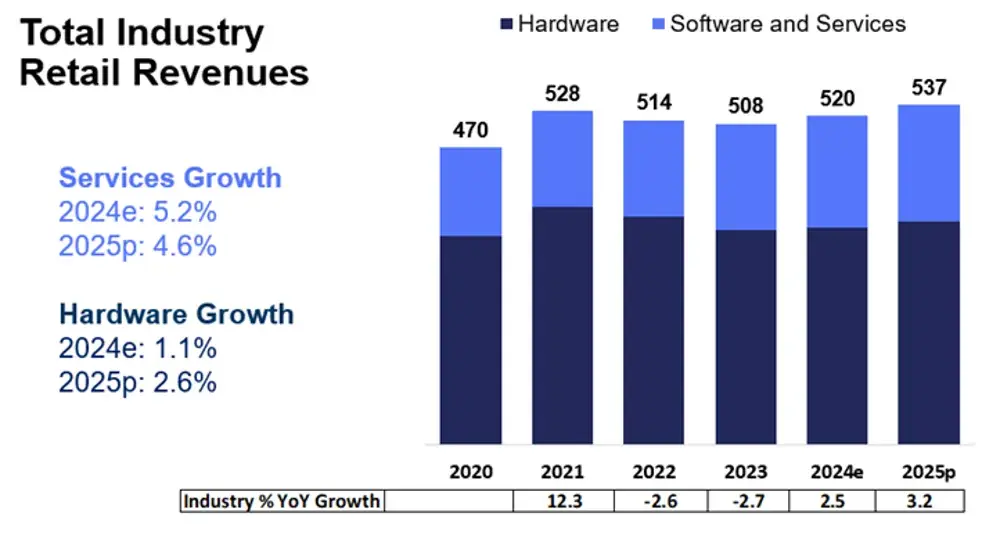
The immediate result of tariffs has been higher operating costs for companies delivering US tech solutions. Hardware-focused businesses are among the most affected, as even modest tariff increases can significantly alter margins on consumer devices and enterprise equipment.
Many firms have responded by passing costs to customers, delaying product launches, or reducing feature development. Others are reconfiguring supply chains, diversifying manufacturing locations, or renegotiating supplier contracts to mitigate exposure.
While large multinational firms are better positioned to absorb short-term impacts, smaller and mid-sized companies often face greater strain, particularly those competing in price-sensitive markets.
READ MORE: Elgato Stream Deck MK.2 Digital Video Recorder: A Powerful Upgrade for Creators
Impact on US Tech Workers and Careers
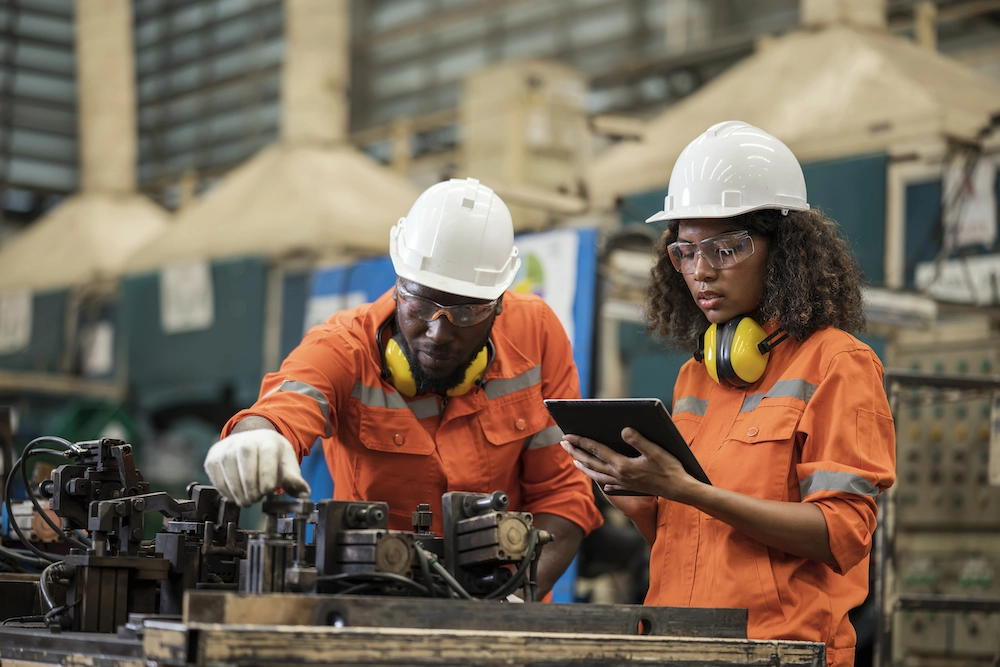
The US tech industry tariff impact is also being felt by US tech workers, particularly in roles tied closely to hardware production and logistics. Hiring slowdowns, project delays, and budget tightening have become more common as companies reassess spending.
At the same time, tariffs are accelerating shifts within the workforce. Demand is growing for professionals in cloud services, cybersecurity, enterprise software, and US tech support, roles that are less dependent on physical supply chains.
For those exploring US tech solutions careers, adaptability has become critical. Employers increasingly value cross-functional skills that blend technical expertise with supply-chain awareness, compliance knowledge, and operational efficiency.
Innovation Faces Structural Headwinds

Tariffs are also influencing innovation timelines. While technology investment remains strong, higher input costs can slow experimentation and research, particularly for startups and early-stage firms.
Academic institutions such as Georgia Tech US have emphasized that innovation ecosystems benefit from open global collaboration. When trade barriers rise, research partnerships, prototyping, and scaling efforts can become more expensive and less predictable.
This reality has fueled broader debate around the idea that tech won’t save us from policy-driven challenges on its own. While technology can improve efficiency, it cannot fully offset the economic friction created by tariffs.
READ MORE: iOS 26 to iOS 26.2: How Apple Latest iPhone Software Update Improves Everyday Use
Industry Response and Policy Adjustments
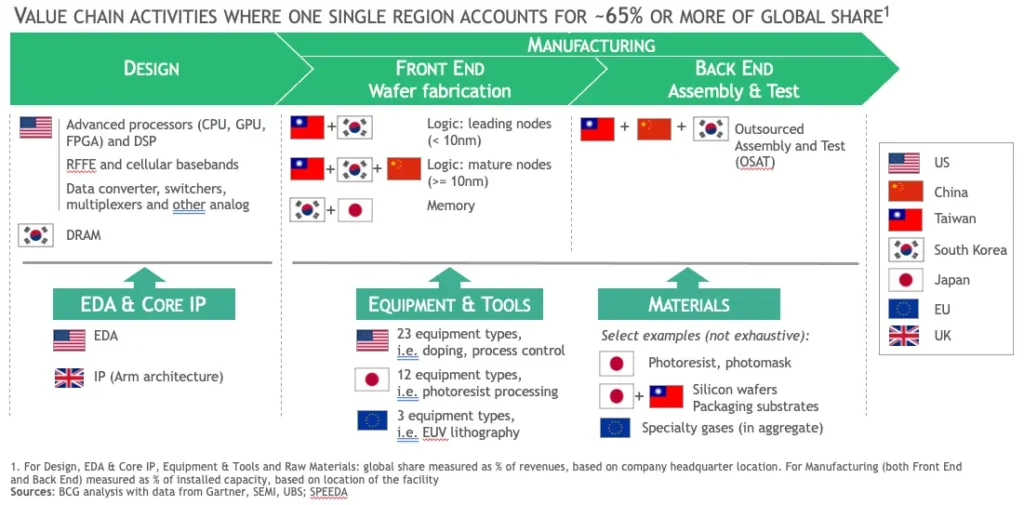
To counter the US tech industry tariff impact, companies are increasingly investing in domestic manufacturing and automation. Federal and state incentives aimed at boosting semiconductor production and advanced manufacturing are helping offset some risks, though these efforts will take years to fully mature.
In parallel, tech firms are expanding service-based revenue models, focusing on subscriptions, software platforms, and long-term enterprise contracts that offer more predictable margins.
Policy discussions continue in Washington around balancing national security, economic resilience, and global competitiveness, with tech industry leaders calling for clearer long-term trade frameworks.
Outlook: A Sector in Transition
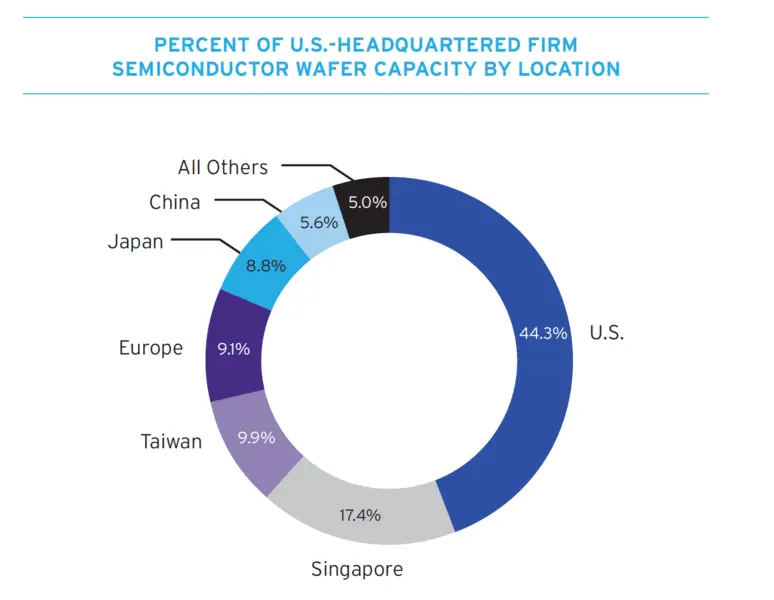
Looking ahead, tariffs are expected to remain a defining factor for the US tech sector. While domestic investment may strengthen supply-chain resilience, near-term costs are likely to stay elevated.
For workers, the shift underscores the importance of continuous learning and mobility. For companies, it reinforces the need for operational flexibility and diversified sourcing. And for consumers, it may mean higher prices paired with a more resilient, domestically anchored tech ecosystem.
READ MORE: New AAA Alien Game Rumor: 2028 Release & Ripley 8?
Conclusion
The US tech industry tariff impact is no longer a theoretical concern—it is actively reshaping how technology is built, sold, and supported in the United States. As companies, US tech workers, and policymakers navigate this evolving landscape, the future of American tech will be shaped as much by trade decisions as by innovation itself.


Best slot selection I have seen in a long time. The jackpots are actually reachable if you have a bit of luck. Join asiabetslot for more wins.